Our partner in Kenya
Commonwealth Housing Group Kenya (CHG)
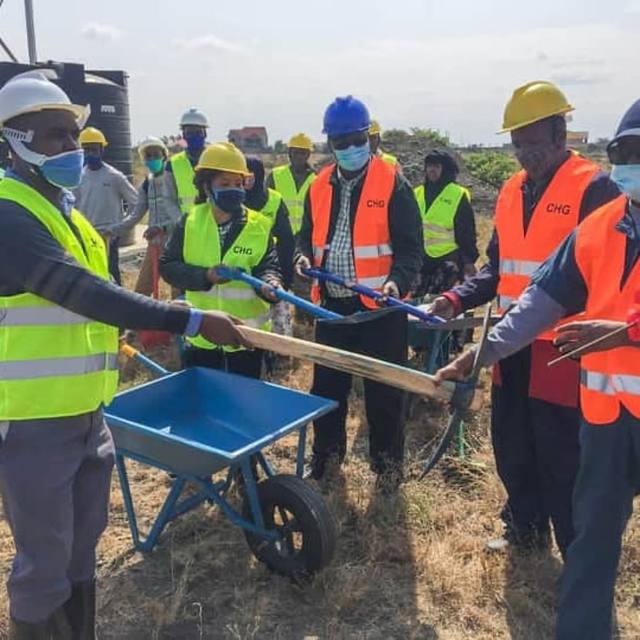
After deciding to work with the MWAMKO families in their pursuit of new homes and better lives, CHT in the UK began to work with a partner group in Kenya dedicated to the same goal. This new informal group acted as liaison between MWAMKO and CHT and carried out decisions of the CHT Trustees after discussions between all parties.
As the project grew, the group was formally registered in Kenya as a non-profit Community-Based Organisation, the Commonwealth Housing Mutual Help Group, known as CHG. This is now a flourishing independent organisation, thanks to a dedicated and successful team of highly qualified Board members. All Board members are volunteers and have extensive relevant professional experience.
Two current CHG Board members worked closely with CHT founder Clifford Dann from the earliest days of the project, as did a third, now back in the UK and currently a CHT Trustee. The spirit of the project has been maintained and developed, while the work and responsibilities of CHG have expanded exponentially.
CHG is now the executive arm of the project in Kenya, supported by the Commonwealth Housing Trust in the UK. Members of the CHG/CHT Liaison Sub-committee have regular online meetings and maintain contact about all aspects of the project, reporting to the CHG Board or CHT Trustees respectively.
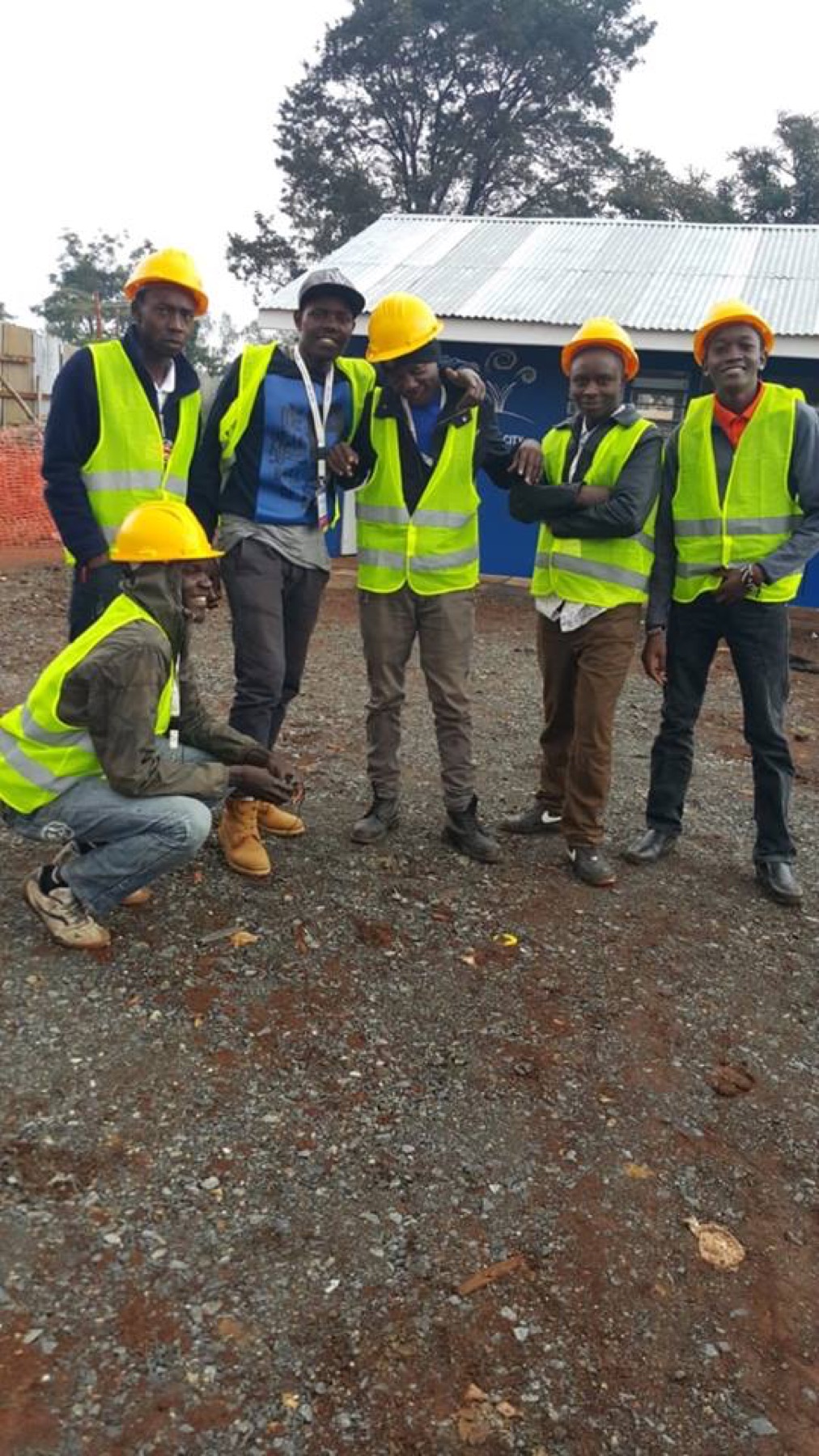
Many other volunteers also give their time and expertise to CHG, from the newly qualified through to established, sometimes retired, professionals. The young volunteers include two graduate engineers from the Technical University of Kenya, a media and communications intern and an IT intern, and others are gaining valuable work experience against a background of high unemployment in Kenya.
CHG maintains a close relationship with the MWAMKO families, with MWAMKO representation on the CHG Board, the CHG Project Management team and the Housing Allocation Sub-committee.
CHG has been successful in gaining local support, both financially and in kind, through valuable local partnerships. These successes enabled the first phase of works, installing the water and sewerage infrastructure. However, the level of funds that can be raised locally is not adequate to meet the overall costs of the project.